
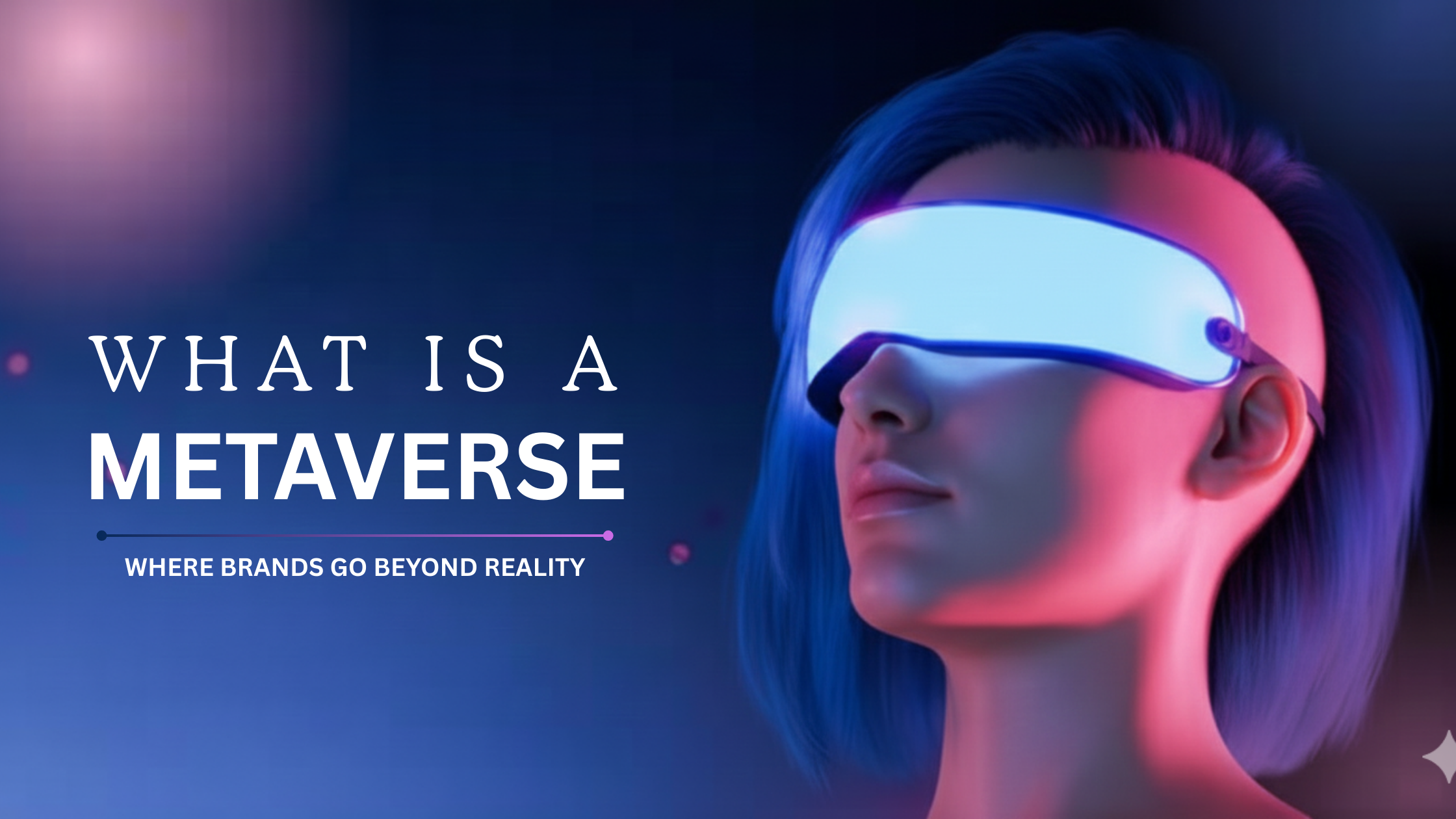
The metaverse is quickly becoming a buzzword in digital marketing—and for good reason. But what exactly is the metaverse, and how are brands using it to connect with people in fresh, memorable ways? Whether you’re new to virtual worlds, or just looking for insights, here’s what you need to know in simple terms.
Imagine the metaverse as a giant network of virtual worlds where people use digital avatars to interact, shop, learn, and play—almost like stepping into a video game that’s always online. It brings together virtual reality (VR), augmented reality (AR), and the internet, creating immersive, interactive experiences much deeper than websites or social media.
Metaverse in Digital Marketing: The Basics
Instead of just seeing ads or scrolling through posts, brands in the metaverse create spaces for real engagement. Here’s how:
- Virtual Stores & Showrooms: Brands can build 3D stores people “walk” through as an avatar—trying out clothes, testing products, or exploring new launches.
- Immersive Events: From product launches to concerts, companies host events inside virtual worlds, reaching thousands globally—no travel required.
- Interactive Experiences: Mini-games, quests, or branded adventures make marketing fun and memorable—instead of intrusive.
- Digital Collectibles & NFTs: Brands launch unique digital items, like fashion wearables or art NFTs, that users can buy, trade, or display in the metaverse.
- Influencer & Avatar Marketing: Real and virtual influencers guide users, host meetups, and promote products in these spaces.
What Makes Metaverse Marketing Different?
- Deep Engagement: Users can interact with brands and their products directly, making the experience more personal.
- Personalization: AI helps customize the experience for each user, learning preferences and suggesting products just for them.
- Creativity & Storytelling: Brands tell richer, interactive stories, building emotional connection (like Nike’s virtual Roblox store or virtual art shows).
- Global Reach: Anyone with internet access can join, so brands reach new audiences far beyond geographic borders.
- New Revenue Streams: Selling virtual goods, memberships, and premium experiences is already a multi-billion-dollar market.
Why Should Marketers Care?
- Changing Audiences: Gen Z and millennials are spending more time in gaming, VR, and social apps than on traditional websites.
- Standing Out: Early brand adopters position themselves as innovative and future-ready—important for lasting impact.
- Better Data: Marketers gather better insights from how people move, interact, and shop in virtual worlds (not just clicks and likes).
Is It Complicated to Start?
You don’t need expensive VR headsets or advanced tech skills. Many metaverse platforms are browser-based and easy to access:
- Try basic virtual events or campaigns in platforms like Roblox, Decentraland, or Meta’s Horizon Worlds.
- Experiment with AR filters on Instagram or Snapchat.
- Partner with virtual influencers for interactive brand experiences.
The Big Takeaway
The metaverse isn’t just for gamers or tech geeks—it’s the next step for brands who want to build strong, lasting relationships with digital-first audiences. The essentials are engagement, creativity, and a willingness to experiment—because in the metaverse, marketing really is about creating experiences people remember.