
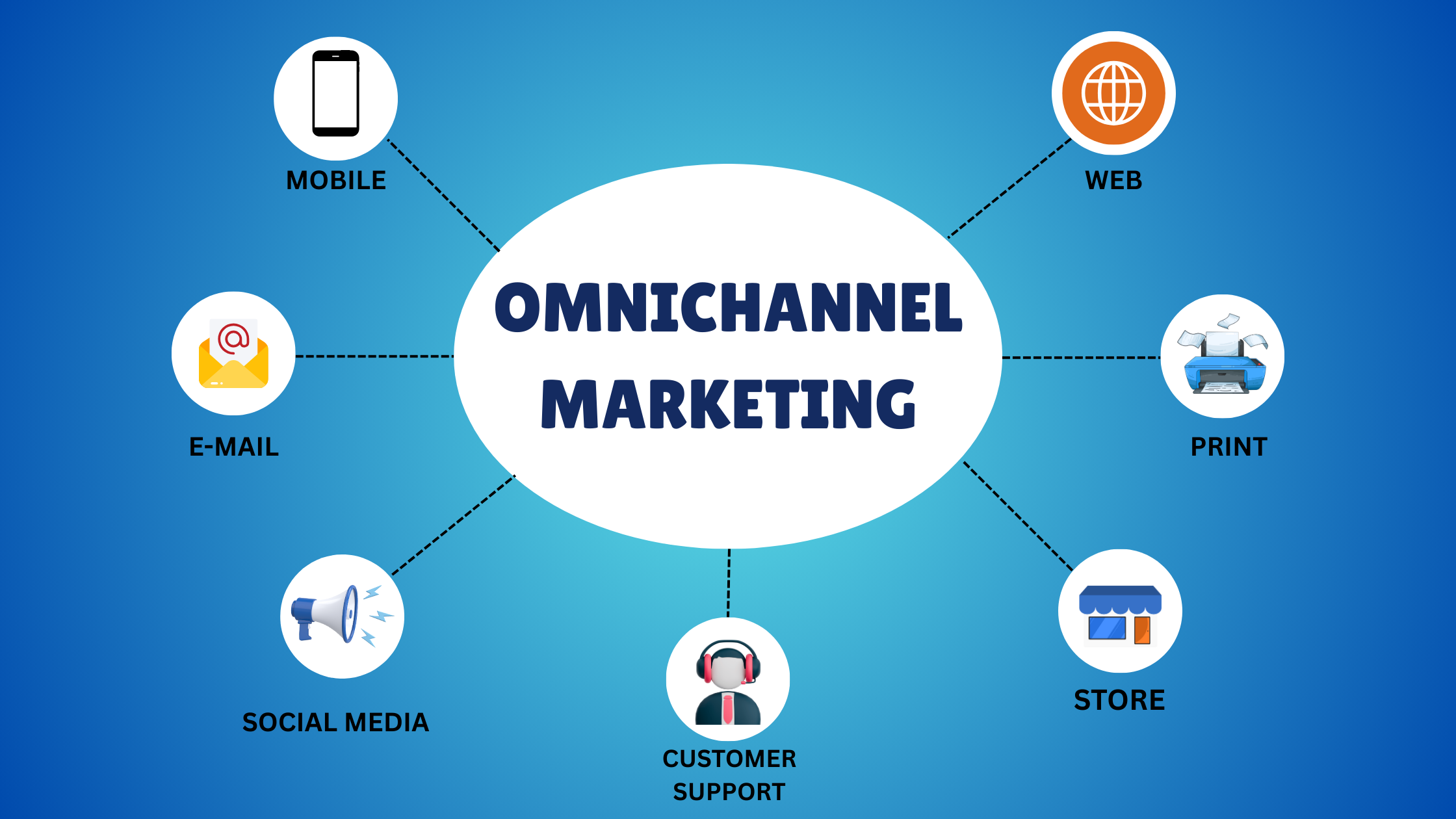
At its heart, omnichannel marketing connects all the ways customers interact with your brand—like websites, apps, social media, emails, physical stores, and even SMS—into one unified experience. The “omni” part means “all,” so it’s about every channel talking to each other. Customers get the same look, feel, message, and service everywhere, based on what they like and where they are in their buying journey.
Unlike old-school marketing where channels operate separately, omnichannel puts the customer first. If someone abandons a cart on your app, they might get a friendly nudge via email or see the same product pop up on Instagram—without feeling stalked.
Omnichannel vs. Multichannel: What’s the Difference?
People often mix these up, but they’re not the same. Multichannel marketing is like having booths at different fairs—you’re present everywhere (online, stores, ads), but each spot runs independently, so the experience feels disjointed.
- Multichannel: Many channels, no real connection. A customer might see one price online and another in-store.
- Omnichannel: All channels linked up. That same customer gets consistent info, personalized recommendations, and easy switches (like buy online, pick up in-store—BOPIS).
Think multichannel as scattered puzzle pieces; omnichannel as the completed picture.
Why Does Omnichannel Matter for Businesses?
Customers today bounce between 5-7 channels before buying, expecting brands to “just know” their preferences. Omnichannel delivers:
- Higher Sales: Seamless experiences boost conversions by 30% or more.
- Loyalty Boost: Personalized journeys make people 91% more likely to repurchase.
- Better Data: Unified tracking shows the full customer path, helping refine ads and offers.
- Stand Out: In a crowded market, frictionless shopping builds trust and keeps competitors at bay.
Small shops or big retailers—everyone wins by meeting customers where they are.
Real-World Examples That Make It Click
- Starbucks: Order via app, pay with your phone in-store, earn rewards everywhere. Your app knows your usual order.
- Nike: Browse sneakers on Instagram, check sizes on their app, try in-store with a reserved pair, and track delivery via SMS.
- Disney: Book park tickets online, use the app for wait times and photos, get emails about your next visit—all tied to your profile.
These aren’t gimmicks; they’re everyday magic that keeps customers coming back.
How to Build Your Omnichannel Strategy (Step-by-Step)
Ready to try it? Start small:
- Map Customer Journeys: Track how people discover, research, buy, and return across channels.
- Unify Your Tech: Use CRM tools (like HubSpot or Salesforce) and customer data platforms to sync info.
- Personalize Everything: Tailor messages—like “We saved your cart from yesterday!”—using past behavior.
- Enable Cross-Channel Perks: Offer BOPIS, live chat that remembers chats, or loyalty points that work everywhere.
- Measure & Tweak: Use analytics to see drop-offs and wins, then adjust.
- Train Your Team: Everyone—from website devs to store staff—needs to deliver the same vibe.
Tools like Google Analytics, Klaviyo for emails, or Shopify POS make it easier.
Challenges and Quick Fixes
It’s not always smooth sailing:
- Data Silos: Fix by centralizing customer info in one dashboard.
- Tech Overload: Start with 2-3 channels before scaling.
- Consistency: Create brand guidelines for tone, offers, and visuals.
The payoff? Customers who feel understood stick around longer.
Omnichannel isn’t a trend—it’s how modern shopping works. By blending channels into one happy path, you turn casual browsers into loyal fans. Whether you’re a startup or established brand, dip your toe in with one integrated feature, like app-to-store perks, and watch engagement grow. What’s your first channel to connect?