

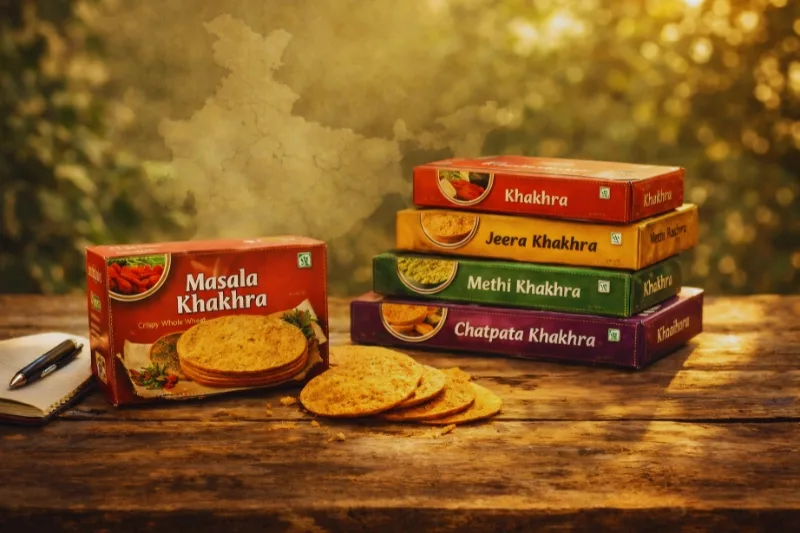
How digiVirus Scaled a Regional Snack Brand Nationally
Farsanwadi is a retail snack company based on khakhra, one of Gujarat’s most popular dishes.. Founded by a couple duo, the brand carries forward the culinary vision of the founder’s mother, bringing authentic, homestyle recipes to modern consumers. Every product is a tribute to that original kitchen, the flavours, the textures, and the care that went into making khakhra a daily staple in Gujarati households. With strong roots in Gujarat and a product that Gujaratis have grown up eating, Farsanwadi had everything a food brand must, a real story, a quality product, and a loyal regional audience. Everything, that is, except national reach.
The challenge
The growth challenges were not due to a lack of effort, but an inside issue with market understanding. While investing across multiple paid channels, the brand struggled to gain real traction because the audience outside Gujarat simply did not emotionaly connect with the product. Khakhra was unfamiliar to many, and without basic awareness, even well-optimized campaigns could not give strong results. Farsanwadi was essentially trying to scale demand for something people did not yet recognize or understand, which limited both performance and confidence in expanding further.
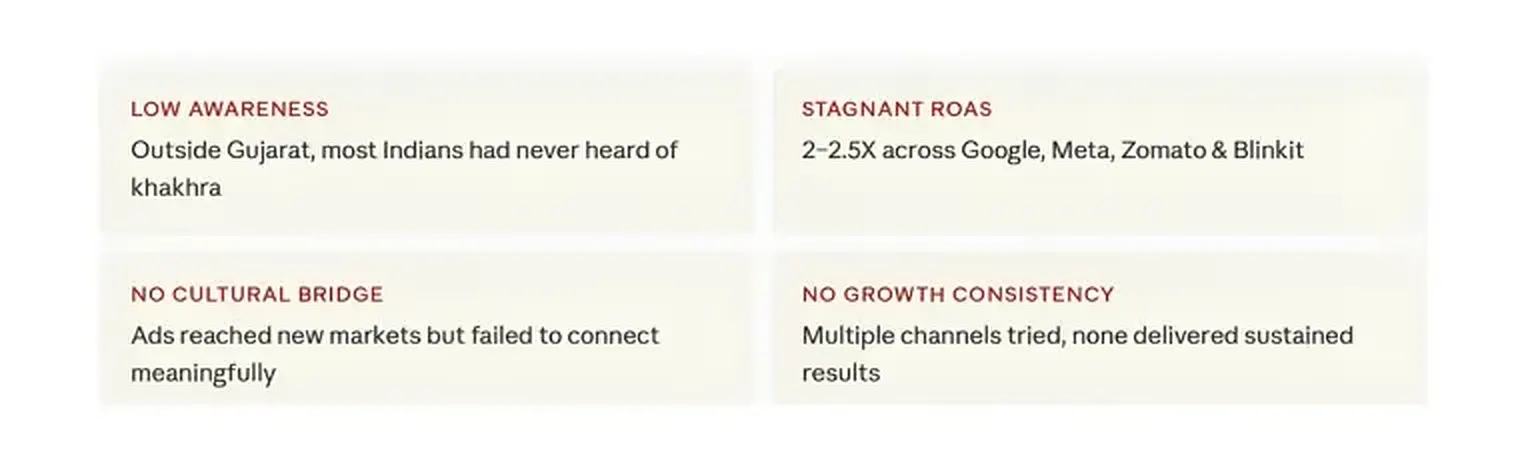
- ROAS remained stuck at 2 to 2.5X after spending on multiple platforms
- Lack of awareness about khakhra among non-Gujarati consumers
- Core issue was product understanding, not budget or marketing channels
The digiVirus diagnosis
The real problem was not performance marketing. It was the absence of cultural context. Ads cannot convert audiences who do not yet understand the product.
The first step in digiVirus’s collaboration with Farsanwadi was not about updating ad creatives or adjusting bidding strategies. Instead, the team focused on a deeper and more important question: why would someone who has never heard of Khakhra stop scrolling, click on an ad, and decide to make a purchase? This insight-led approach helped uncover the core challenge. While the brand had visibility, it lacked cultural authority. For customers outside Gujarat, it was essential to understand the product and feel a sense of familiarity before building enough trust to try it.
Recognizing this, the team realized that no media optimization strategy alone could solve the problem. The solution was not remove within the ad account data but rooted in storytelling. By tapping into a strong and relatable narrative, digiVirus identified the right story to connect with audiences. This SEO-friendly approach highlights the importance of cultural relevance, brand trust, and storytelling in influencing consumer behavior and driving conversions.
The strategy
- Cultural hook through TMKOC: Applied Taarak Mehta Ka Ooltah Chashmah’s frequent khakhra references to build instant familiarity with non-Gujarati audiences
- Emotional storytelling: Highlighted the brand’s family origin a mother’s recipe passed on through generations, giving the brand a human face
- Educate-then-convert creatives: Ads that first explained what khakhra is, then positioned Farsanwadi as the most authentic way to experience it
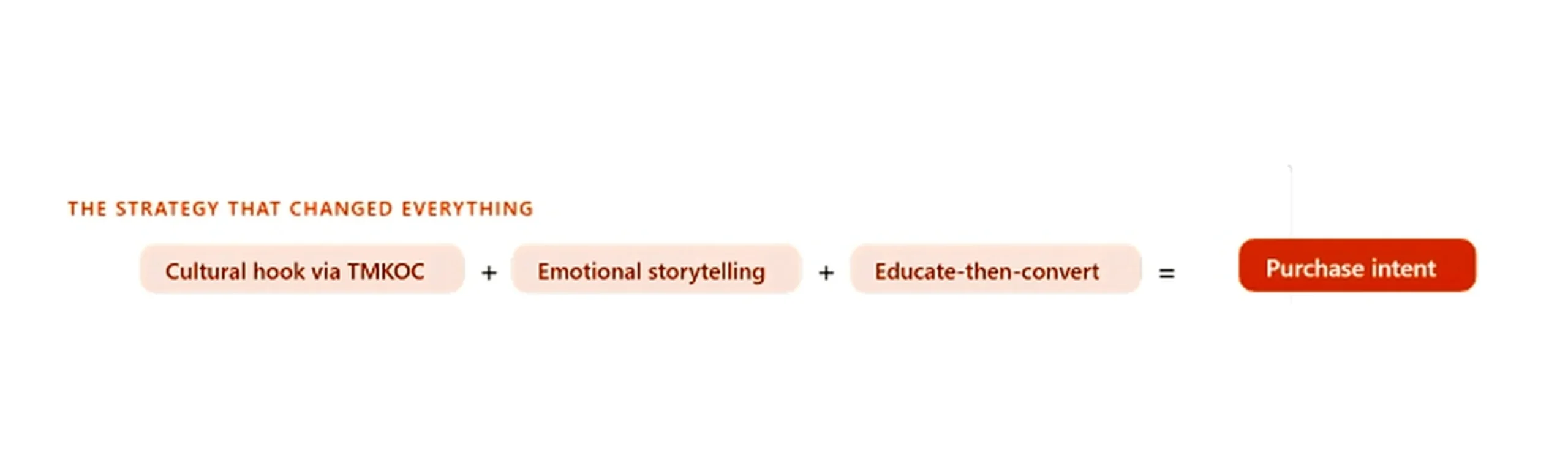
digiVirus identified a powerful cultural unlock hiding in plain sight: Taarak Mehta Ka Ooltah Chashmah, one of India’s most famous and entertaining TV shows. Most of the family regularly saw the features of khakhra as a natural fixture of everyday Gujarati life.
Millions of non-Gujarati viewers across the country had already discovered this traditional food through films, where it was portrayed as warm, comforting, and deeply familiar. Without even tasting it, audiences formed an emotional connection, making it easier to build interest and curiosity. The strategy focused on converting this recognition into actual purchase intent by reshaping the brand’s marketing approach. Instead of using standard performance creatives, the campaign introduced relatable show references, a compelling brand origin story, and culturally relevant ad copy. This approach not only educated the audience about the product but also created a strong emotional appeal before encouraging a purchase.
To further strengthen results, audience targeting was refined to reach people who had shown an interest in cultural experiences and were open to trying something new yet familiar. By combining storytelling, cultural relevance, and smart targeting, the campaign successfully bridged the gap between awareness and action. This SEO-friendly content highlights the importance of emotional connection, cultural storytelling, and strategic marketing in driving customer engagement and boosting sales.
The results
The campaigns’ high turnover rates demonstrate that culture strategy, as opposed to just more funding, may lead to real growth. By improving targeting, messaging, and overall execution, performance scaled successfully, leading to a notable improvement in returns. This momentum led to consistent sales growth in addition to assisting the brand in overcoming regional obstacles and reaching consumers in new locations where there was little to no prior knowledge of the product. By establishing familiarity and trust in addition to marketing its products, Farsanwadi gradually positioned khakhra as a product that people could recognize, try, and incorporate into their everyday lives.
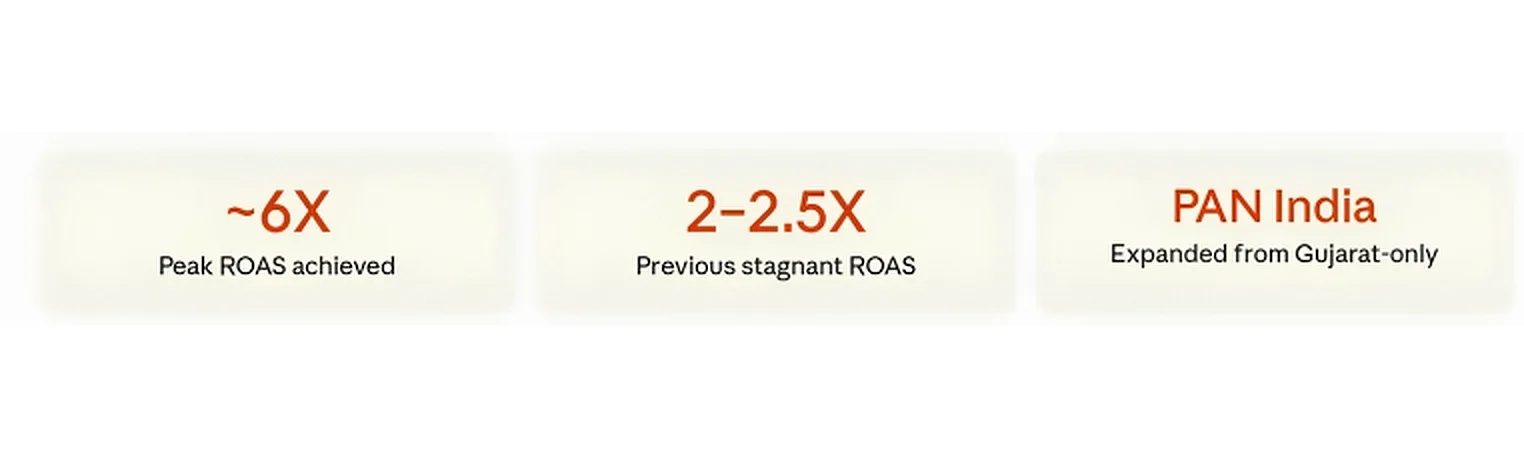
- Without a significant budget increase, ROAS increased from 2–2.5X to about 6X.
- Demand and sales grew outside of Gujarat
- Strong brand value and customer trust developed over time.
The takeaway
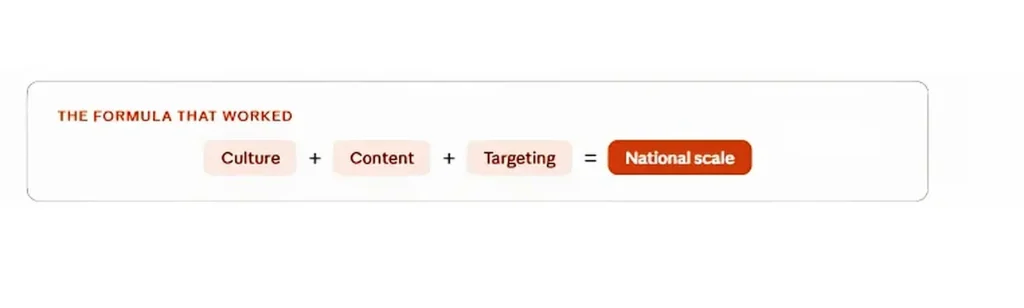
Farsanwadi’s tale should serve as a lesson for all local D2C brands: performance marketing cannot take the place of cultural sensitivity. When viewers are not aware of your product, no innovative format, platform combination, or bid strategy will be enough to close the gap. digiVirus was successful by identifying the real problem—a gap in awareness and background rather than an imbalance in ad spending—and creating a strategy based on cultural trust before trying commercial conversion. The brand’s narrative, its family history, and a well-liked television show performed the heavy lifting that no algorithm could. It is now clear that the best approach for any region-specific product seeking to go national is to first establish cultural relevance, then employ performance marketing to improve what is already appealing.