
What the Summit Means for Digital Marketing
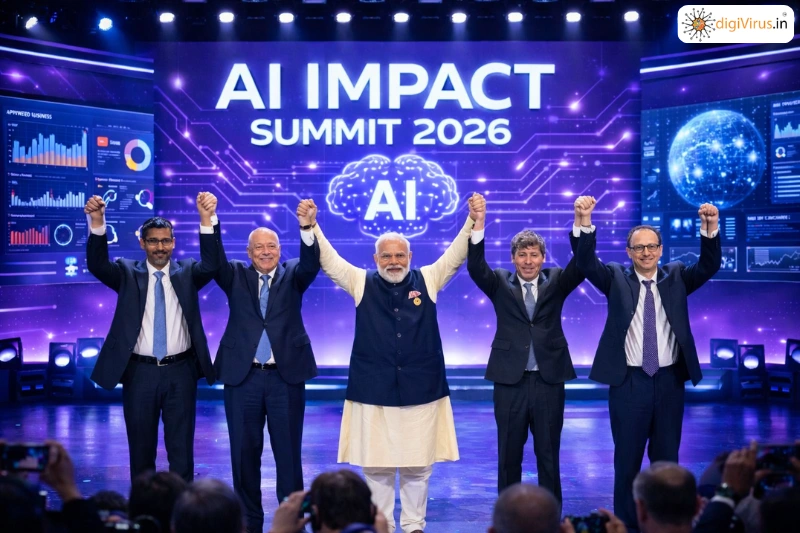
The India AI Impact Summit 2026 represents a strategic turning point for the global marketing ecosystem. Announced by Prime Minister Narendra Modi and hosted in New Delhi, the summit positions India as a collaborative hub for responsible and scalable AI development. While the event focuses on policy, infrastructure, and innovation, its ripple effects are highly relevant for digital marketing operations.
One of the biggest implications is the wider accessibility of AI infrastructure. As governments and technology partners work toward democratizing compute resources and AI tools, businesses of all sizes will gain easier access to advanced automation, analytics, and personalization platforms. This will significantly lower adoption barriers for AI-driven marketing.
The summit also emphasizes multilingual and multimodal AI models. For marketers, this opens new possibilities for regional-language campaigns, localized content strategies, and voice-based engagement tailored to India’s diverse audience base. Additionally, the focus on safe and trusted AI suggests that upcoming regulations will demand stronger data transparency, ethical targeting, and bias-free automation systems. Marketers will need to balance personalization with privacy compliance to maintain consumer trust.
Finally, increased AI adoption across sectors like education, governance, and commerce will raise digital awareness among users. This means future marketing strategies must cater to more informed, tech-savvy audiences who expect seamless, personalized digital experiences.
Why Big Brands Are Rapidly Shifting to AI Ads
Large enterprises such as Adani Group, Reliance Industries, Tata Group, Coca-Cola, and Etsy are aggressively transitioning toward AI-powered advertising systems. Their primary objective is to achieve faster execution, scalable reach, and higher marketing efficiency.
AI enables these brands to produce marketing creatives, videos, and ad variations in a fraction of the traditional production time. Instead of lengthy manual processes, campaigns can now be developed and deployed rapidly. Moreover, AI allows real-time campaign testing, automatically identifying which creatives and audiences perform best.
Data-driven targeting is another key driver behind this shift. AI systems analyze customer behavior, engagement patterns, and purchase intent to deliver highly relevant advertisements. This precision improves engagement rates and maximizes return on investment. The increasing reliance on AI among such major organizations highlights a clear industry evolution—AI advertising is becoming the norm rather than an experimental strategy.
How digiVirus Uses AI for High-Performance Marketing
digiVirus integrates AI across every stage of its marketing workflow to deliver performance-focused outcomes for clients. Instead of relying solely on manual campaign management, the agency combines automation with strategic planning to achieve scalable growth.
Its AI-powered services include automated video ads, voice-over ad generation, creative design automation, and smart production editing that accelerates campaign deployment. Additionally, intelligent funnel automation guides potential customers through awareness, engagement, and conversion stages efficiently.
The agency also uses AI-based performance marketing models that continuously analyze live campaign data. These models automatically refine targeting, optimize ad bidding, and enhance creatives based on audience behavior. This results in stronger lead quality, improved marketing efficiency, and consistent revenue growth for businesses. By leveraging AI insights, digiVirus ensures campaigns remain adaptive and performance-oriented in dynamic market conditions.
Why Businesses Should Adopt AI Marketing in 2026
The competitive digital landscape of 2026 demands faster execution, smarter targeting, and cost-efficient operations—requirements that traditional marketing approaches alone cannot fulfill. AI-powered marketing allows businesses to launch campaigns quickly, minimize manual workload, and enhance conversion rates through precise audience segmentation.
Predictive analytics helps brands understand consumer intent and personalize communication at scale, strengthening brand loyalty and engagement. Early adoption of AI marketing also gives companies a sustainable competitive advantage, as they can respond swiftly to changing consumer behavior and emerging trends.
Digital Marketing: AI-Driven Campaign Operations
AI is fundamentally transforming campaign management from manual monitoring to intelligent automation. Modern marketing stacks now include predictive lead scoring, automated email journeys, behavior-based retargeting, and real-time analytics dashboards. These systems continuously evaluate performance and make adjustments automatically, ensuring optimal results.
In performance marketing, AI algorithms handle bid optimization, creative testing, and dynamic budget allocation. This reduces human intervention and allows marketers to focus on high-level strategy rather than repetitive execution tasks.
AI is also enhancing eCommerce marketing through personalized product recommendations, smart search experiences, and adaptive pricing models based on demand and user behavior. Conversational and voice-enabled commerce further simplifies the purchase journey, expanding accessibility for diverse and multilingual audiences.