

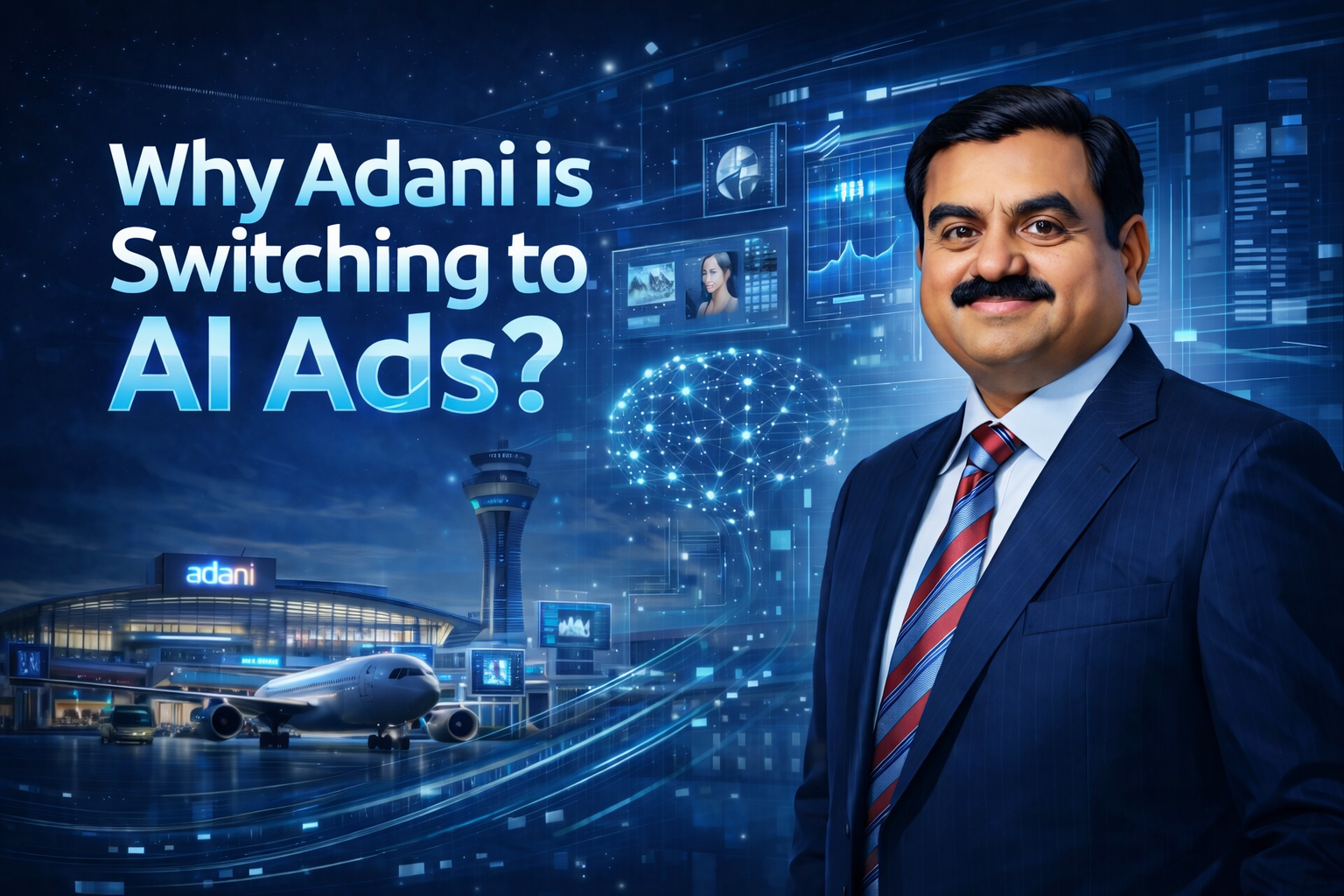
Why Adani Is Switching to AI-Ads
In recent years, the Adani Group has shown a strong interest in adopting advanced digital technologies across its businesses. One noticeable change is its shift toward AI-powered advertising. This move is not just a trend but a strategic decision aimed at improving efficiency, reach, and impact. Below are the key reasons why Adani is switching to AI-based ads and how it benefits the company.
Better Audience Targeting and Personalization
One of the main reasons Adani is moving to AI advertising is precise audience targeting. Traditional advertising often reaches a broad audience, many of whom may not be interested in the message. AI, on the other hand, analyzes user behavior, preferences, location, and browsing patterns.
With this data, AI ads can deliver personalized content to the right people at the right time. For a diversified group like Adani, which operates in sectors such as energy, infrastructure, ports, airports, and green technology, personalization helps communicate relevant messages to different customer groups more effectively.
Data-Driven Decision Making
AI advertising relies heavily on data analysis. Adani generates and handles massive amounts of data across its operations. By using AI, the company can analyze real-time advertising performance, such as click-through rates, engagement levels, and conversion data.
This allows marketing teams to quickly adjust campaigns, improve messaging, and avoid wasting money on underperforming ads. Instead of relying on assumptions, decisions are based on actual data, leading to better outcomes.
Cost Efficiency and Higher ROI
Advertising budgets are significant, especially for large corporations. AI helps Adani optimize ad spending by automatically allocating budgets to platforms and campaigns that perform best.
AI tools reduce manual work, lower operational costs, and minimize human error. Over time, this leads to a higher return on investment (ROI). For a group focused on large-scale growth and efficiency, AI advertising provides a smarter and more cost-effective solution.
Faster Campaign Execution and Scalability
Speed is crucial in modern marketing. AI allows Adani to launch, monitor, and modify campaigns quickly. Automated systems can generate multiple ad variations, test them simultaneously, and select the best-performing versions within minutes.
This scalability is important for Adani, as its projects often span multiple regions and markets. AI enables consistent messaging while adapting content for local audiences without delays.

Stronger Brand Image and Innovation Leadership
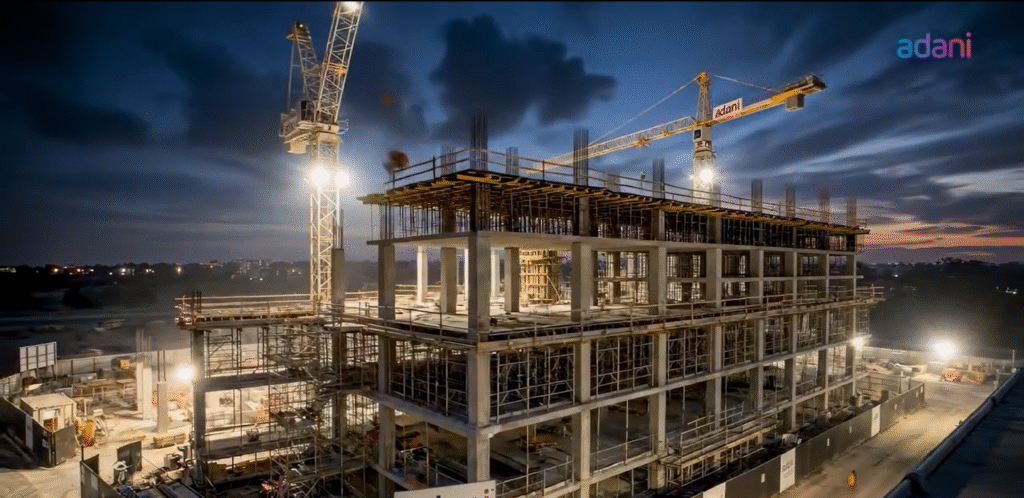
By adopting AI advertising, Adani strengthens its image as a future-focused and technology-driven organization. The group has already made major investments in renewable energy, smart infrastructure, and digital transformation.
Using AI in advertising aligns with this vision and signals innovation to investors, partners, and customers. It shows that Adani is not only building physical infrastructure but also embracing intelligent digital systems.
Improved Customer Engagement and Experience
AI ads are interactive, relevant, and timely. They improve customer engagement by showing content that matches user needs and interests. This leads to better brand recall and trust.
For example, AI can adjust ad formats, visuals, and messaging based on user responses. Over time, this creates a smoother and more engaging experience, which is essential in competitive markets.
Conclusion
Adani’s shift to AI-driven advertising is a strategic move rooted in efficiency, data intelligence, and future readiness. AI helps the company reach the right audience, reduce costs, improve decision-making, and strengthen its innovative brand image.
As digital transformation continues to shape global businesses, AI advertising enables Adani to stay competitive, relevant, and connected in a rapidly evolving market. This transition is not just about advertising—it reflects Adani’s broader commitment to smart growth and technological leadership.